
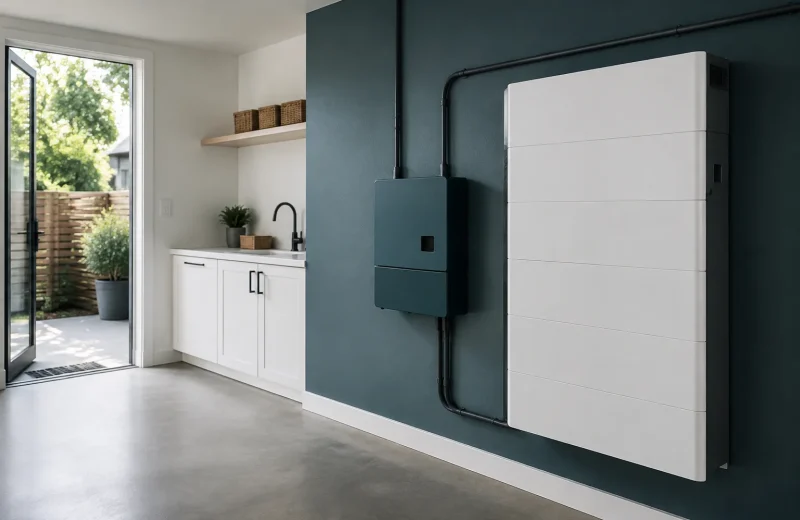
Conway, Arkansas
An essential-load backup project that starts with the circuits a household wants to keep running during an outage.
View the projectPlan home battery backup in Arkansas around the circuits you want running during a grid outage. Define load priorities, runtime goals and the required system controls.
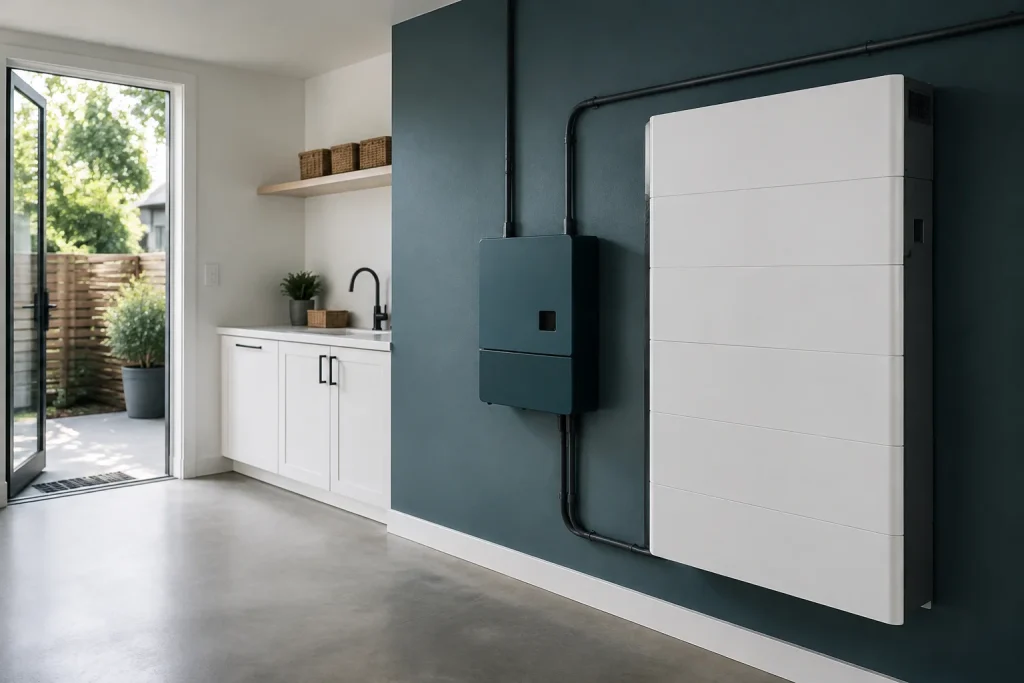 Illustrative project image
Home backup power planning starts with a practical question: what needs to keep running when the grid is unavailable? Refrigeration, lighting, communications and other household loads may have different priorities. Defining an essential-load scenario helps make the assessment more useful than asking for a system to run an unspecified whole home.
Write down the appliances and circuits you want to support, when they operate and whether they need to run at the same time. Include any large loads you hope to use, even if they may later be excluded. The proposed solution should state its limits clearly. Runtime depends on the actual stored energy, operating loads and system conditions; a generic number of backup hours does not describe every household.
A backup proposal should explain the equipment, supported circuits, controls and commissioning checks. Ask how normal operation and outage operation differ, what the homeowner can monitor and where support questions should go. If you already have solar or storage, include the equipment details so the assessment can consider what can be retained. Use the worksheet on this page to describe a load-energy scenario, then add it to your request for discussion.
Start with a list of the household functions you want available during an outage: refrigeration, lights, communications or other selected equipment. For an Arkansas property with a private well, include the pump in the discussion instead of treating it as a small plug-in appliance. Note any existing generator, solar array or battery so the assessment can address system coordination. Homes in town and rural properties may also have different access requirements for a site visit. A useful proposal explains the supported circuits, operating limits and commissioning checks for your actual property.
Related services: Home battery installation · Solar & battery diagnostics.
This page covers battery-based backup for essential household loads. Define the circuits, expected operating time and behavior during a grid interruption first. For the equipment integration stage, see home battery installation. Fuel-powered generator installation is a separate service scope and is not included in this request.
Understand the technology before your assessment: Home batteries: capacity is only half the story · Grid-tied, off-grid or hybrid: what is the difference?.
Every property starts from a different place. Request a project-specific proposal with deliverables, assumptions and any additional work clearly identified.
A website request is the starting brief. The price and scope are agreed before work begins.
Request a scoped quoteAsk whether these apply and whether they are included in the written proposal.
Tick the information you already have. You can still send a request if you are starting from scratch.
Adjust the running load and time to describe your backup goal. This is an energy worksheet, not an equipment recommendation.
Watts × hours ÷ 1,000. Excludes conversion losses, reserves, starting demand and changing loads.
Share your property, location and what you want to improve.
Confirm service availability and the information needed for an assessment.
Discuss the proposed work, responsibilities and any site-specific requirements.
Proceed only after scope, scheduling and commercial terms are agreed.
Conway, Arkansas
An essential-load backup project that starts with the circuits a household wants to keep running during an outage.
View the projectYour proposal identifies the project coordinator, delivery provider and the responsibilities of each specialist involved.

Project coordinator
Your main point of contact for turning an initial enquiry into a clear brief and keeping the next steps organized.

Energy systems planning
Focused on assessment inputs, equipment compatibility and explaining the proposed solution.

Installation & aftercare coordination
Coordination of access, scheduling, handover and follow-up questions.
Have a question about who would handle your project?
Ask about your project teamSelected service: Home battery backup systems
Share your Arkansas city and ZIP code so location availability can be confirmed.
Fields marked * are required. We will confirm location coverage, scope and next steps before any booking.
Fields marked * are required. We will confirm location coverage, scope and next steps before any booking.
Fields marked * are required. We will confirm location coverage, scope and next steps before any booking.
Fields marked * are required. We will confirm location coverage, scope and next steps before any booking.
Questions about this service and the next step.
No. It estimates the energy used by a constant load. Equipment selection also requires power, losses, reserve, starting demand and site-specific checks.
Send your Arkansas city and ZIP code. Availability, the delivery arrangement and any on-site requirements are confirmed for your location before a booking is made.
No. It sends a service request. Scope, price, responsibilities and scheduling must be agreed separately before work starts.
There is no single runtime for every home. The assessment needs the usable stored energy, appliance loads, operating duration and system limits. The worksheet here describes load energy only and does not size a backup system.
It identifies the circuits or appliances that take priority during an outage, rather than assuming every household load will be supported. The final proposal should name the supported loads and explain operating limits.
Include the pump and its available equipment details in your request. The assessment must consider its starting and running requirements together with other priority loads before deciding what the backup system can support.
Plan solar panel installation for your Arkansas home around roof suitability, electricity use and future energy needs. Request an assessment and a clear project quote.
Explore serviceExplore home battery installation in Arkansas for solar storage and selected backup loads. Start with your priorities, existing equipment and property details.
Explore servicePlan an EV charger installation for your Arkansas home around your vehicle, parking and electrical capacity. Share your property details to discuss the next step.
Explore service